They arrive from universities across Uganda and from countries around the world. They come with degrees in law, human rights, public health, social work, and development studies. They come with energy, idealism, and a desire to make a difference.
And then they get to work.
At ACR, we believe internships should be real. Not coffee-fetching and filing. Not sitting in meetings and taking notes. Real work. Meaningful assignments. Genuine contribution to programs that protect children’s lives.
Here is what that actually looks like.
Day One: Welcome to the Real World
New interns at ACR are quickly immersed in the organization’s work. From the first week, they are assigned to program areas that match their skills and interests — whether that is child protection, research, health, education, or communications. They attend community meetings, participate in field visits, and begin to understand the complex, layered reality of children’s rights work in Uganda.
For many, it is the first time their academic knowledge meets ground-level reality. The gap between theory and practice becomes apparent — and then, through the work, begins to close.
What Interns Actually Do
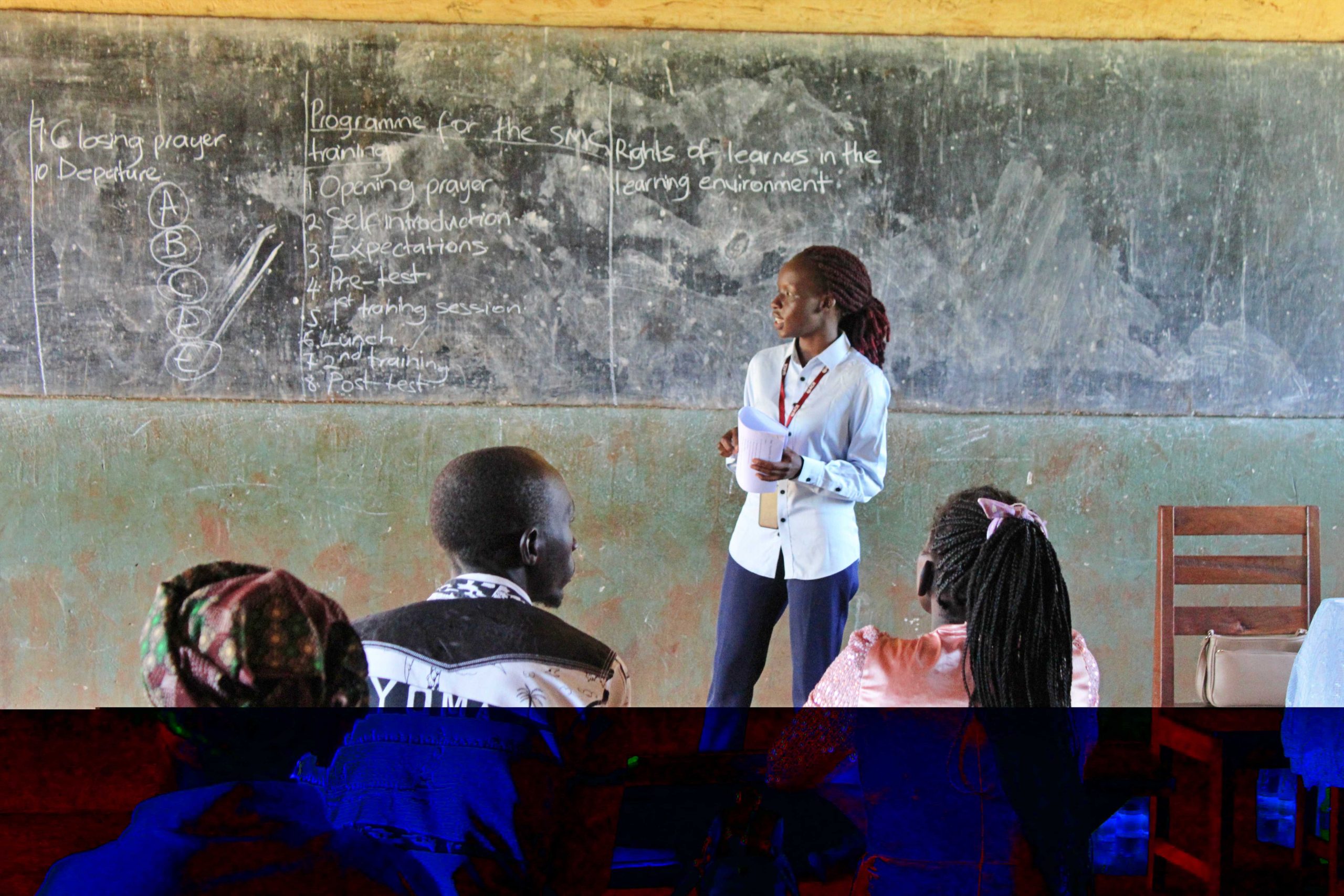
Depending on their placement, ACR interns might find themselves conducting interviews for a baseline research study in a rural district. They might be developing training materials for a Safe Schools workshop, supporting the coordination of a community health outreach event, drafting reports for international donors, or helping facilitate a child rights awareness session with primary school students.
Every assignment is designed to be both useful to ACR and genuinely developmental for the intern. We take the learning as seriously as the output.
The Challenges — and Why They Matter
Working in children’s rights is not always easy. Interns encounter stories of hardship, resilience, and injustice. They work in communities where resources are scarce and needs are great. They navigate cultural contexts that are different from their own and learn to listen before they lead.
These challenges are not incidental to the experience — they are the experience. They build the kind of practitioner that the children’s rights field desperately needs: humble, evidence-driven, empathetic, and effective.
What They Take Away
When interns leave ACR — after three months, six months, or occasionally longer — they carry something that no classroom can fully provide. They carry field experience, professional networks, a deeper understanding of children’s rights in the African context, and a clearer sense of their own purpose.
Many go on to careers in human rights organizations, government agencies, international NGOs, and academia. Many stay connected to ACR — as alumni, as future partners, as lifelong advocates for children.
Apply to Join Us
ACR welcomes applications from graduate students and recently qualified professionals in law, human rights, social sciences, public health, and development-related fields. Internships are voluntary and typically run for three to six months. International interns are supported with accommodation guidance and orientation.
If you are ready to do work that matters, we are ready for you.